
Start with the electricity you actually use
Choosing a solar system starts with the household rather than the equipment catalogue. Collect electricity bills for several months, including summer, monsoon and winter. Note which appliances run during daylight and which are important during an outage. A rooftop system can reduce grid purchases, but its capacity is not a promise of a particular bill. A home with daytime cooling has a different consumption pattern from one that is empty until evening. Bring this information to a residential rooftop solar assessment. Roof space, shade, structural suitability, sanctioned load and connection requirements all affect the final recommendation.
On-grid solar: electricity generation with the utility connection
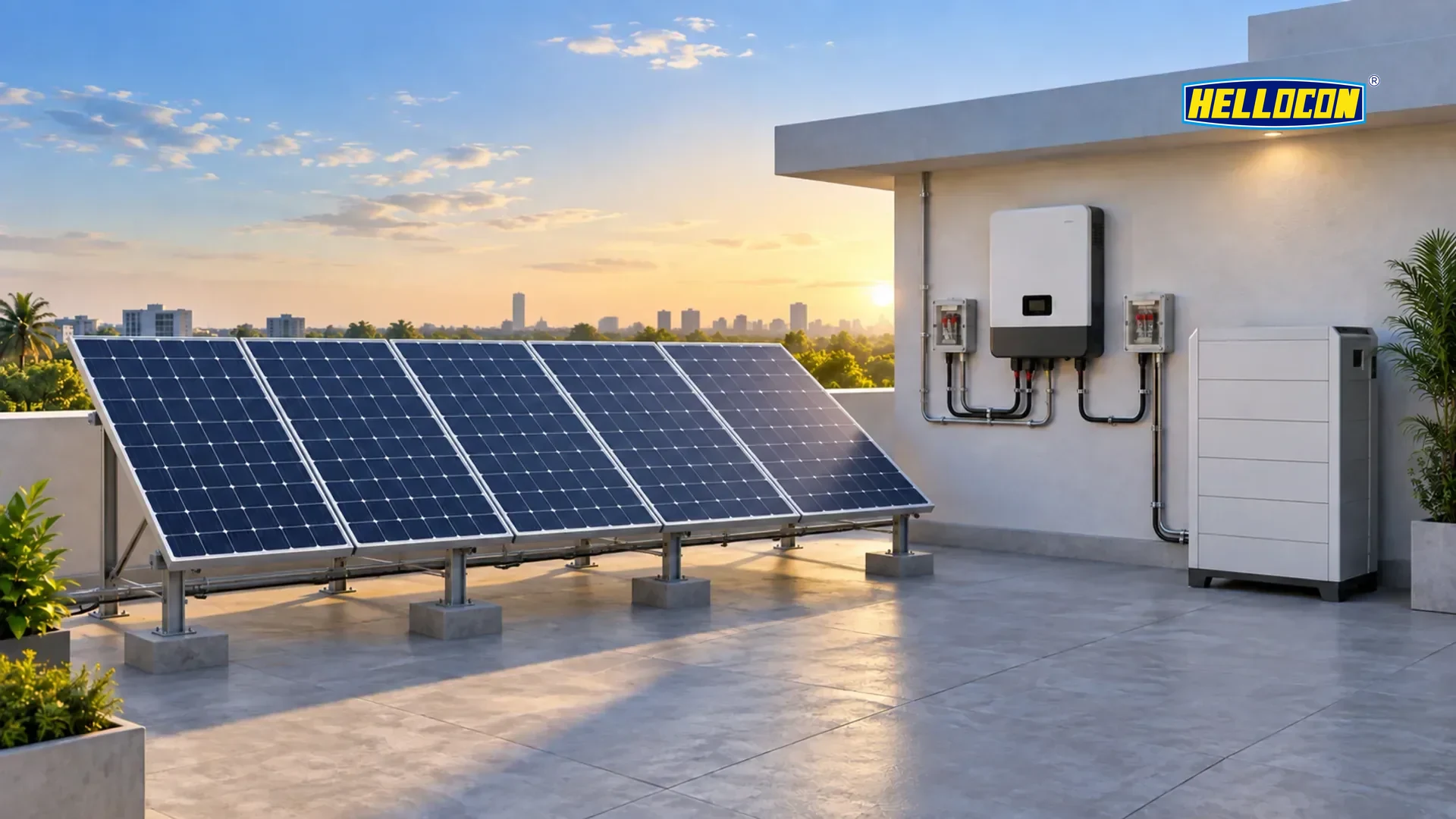
An on-grid installation connects photovoltaic modules through a grid-connected inverter to the premises electrical system. Solar generation can serve connected loads; export arrangements depend on the approved metering configuration. The household still has a utility connection and receives a bill under its applicable tariff. Read the on-grid solar power plant guide for the equipment and survey questions. For an Odisha household, identify the DISCOM on the current electricity bill before beginning the application. Net metering, inspection and commissioning requirements belong to that connection and must be confirmed through the official process. Do not assume a neighbouring household has identical conditions.
Why ordinary on-grid solar stops during a power cut
A conventional grid-tied inverter normally stops supplying power when the utility grid is unavailable. This protection is essential for safe grid operation; sunshine alone does not make a standard grid-tied system a backup supply. If outages matter, list the circuits that need support: for example lighting, fans, communications or selected refrigeration. Discuss them with the designer before purchasing equipment. Backup needs a suitable inverter, storage and an electrical arrangement that separates supported loads correctly. Do not add an improvised changeover or bypass protection. Installation and protection work should be handled by qualified professionals under the applicable utility and electrical requirements.
Off-grid solar: plan energy and autonomy together
An off-grid system serves loads without relying on a utility connection. Generation, inverter capacity and storage have to work together through the intended operating cycle. A list of appliance wattages is only the beginning: operating hours, simultaneous use, starting demand and seasonal conditions also matter. Battery capacity should follow the desired autonomy and the manufacturer’s usable operating limits. There is no universal storage size for a village home, water installation or remote facility. Explore off-grid solar with storage and prepare a clear load schedule. In coastal and monsoon conditions, the designer must consider access, weather exposure and periods of lower generation.
Hybrid solar: specify what backup means
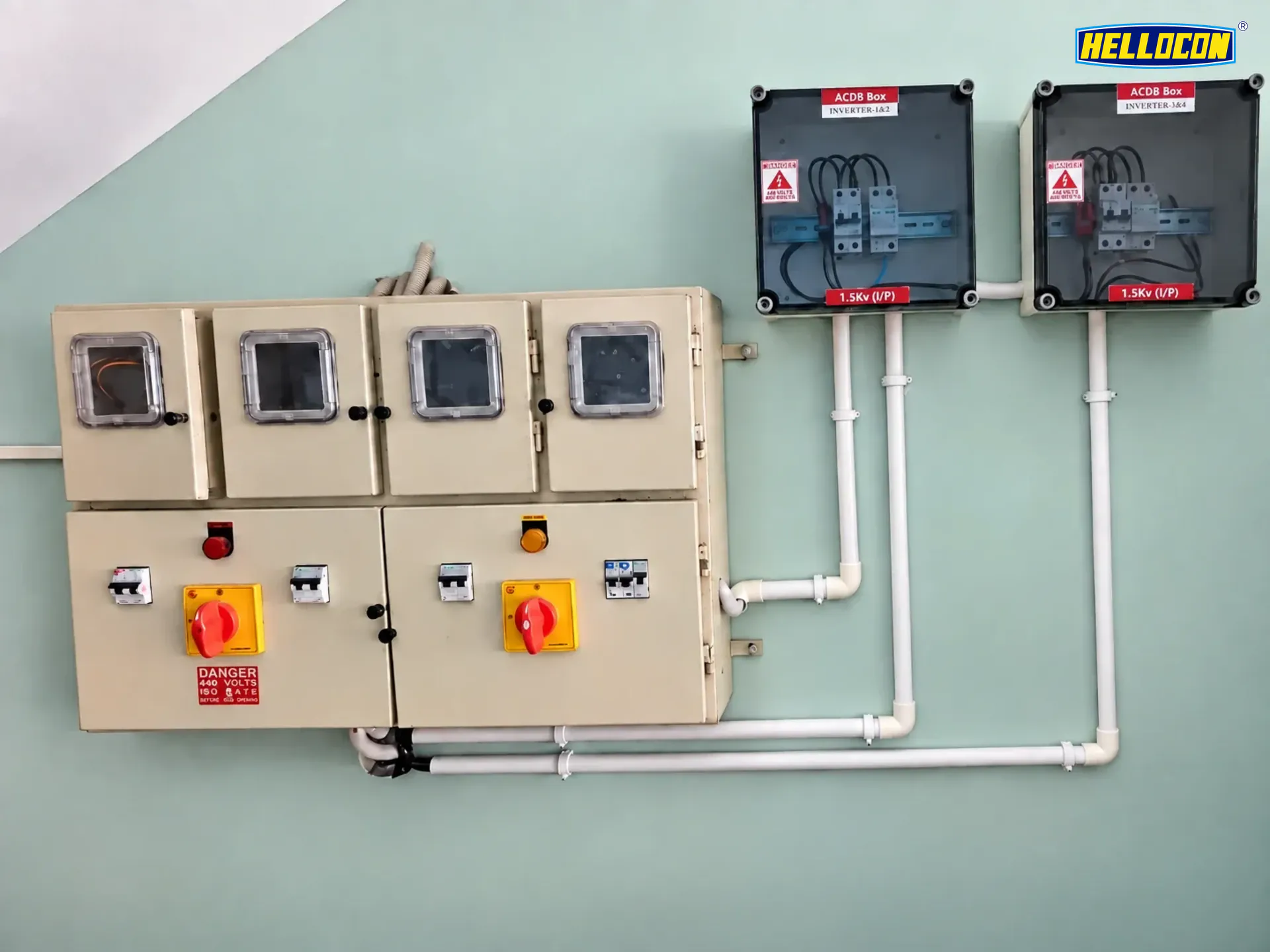
Hybrid describes a combination of solar, utility supply and storage, but different products provide different functions. Ask whether the proposal supports selected circuits or the whole premises, what power it can deliver, and for how long under the stated load. Clarify charging behaviour, battery compatibility, protection and operating modes. A large battery does not compensate for an undersized inverter or unsuitable wiring. Review the hybrid solar system guide and ask for a written description of supported loads. The term hybrid should describe a documented operating arrangement, not simply a marketing label attached to a grid-connected installation.
Odisha roofs, weather and maintenance access
System selection also depends on the physical site. A shaded roof, weak fixing arrangement or inaccessible inverter position can undermine an otherwise sensible design. Odisha projects need assessment of roof condition, drainage, wind exposure, corrosion risks and safe service access. Equipment ratings and mounting details should be selected for the specific location, rather than copying another installation. Keep walkways and access to tanks, drains and roof repairs in the layout. Read how to prepare a roof for solar before the survey. Ask who checks the structure and how waterproofing and later maintenance are handled in the agreed scope.
Subsidy and grid approvals are separate decisions
A solar configuration does not automatically qualify for financial assistance. PM Surya Ghar’s residential process includes consumer eligibility, registered vendor selection and utility requirements. Commercial premises and household installations should not be treated as the same subsidy case. Consult the PM Surya Ghar Odisha guide and the official national portal before agreeing a scheme-linked proposal. Bank or identity information should be entered only through the appropriate official process. An installer’s assessment cannot guarantee approval or a payment date. First establish the engineering requirement, then check the eligible configuration and application conditions.
Compare quotations on scope, not a single headline number
Ask each proposer to identify module and inverter models, mounting arrangement, protection equipment, metering responsibilities, installation work and exclusions. For storage, record the battery model, usable capacity assumptions, supported loads and warranty conditions. Compare workmanship and service responsibilities as well as equipment. A lower upfront quotation can exclude work that appears in another proposal, so list differences explicitly. The solar EPC scope guide explains how design, procurement and commissioning fit together. Request a layout and written handover requirements before proceeding. Keep the proposal, datasheets, warranty documents and commissioning records together for future support.
Use real installations to frame useful questions
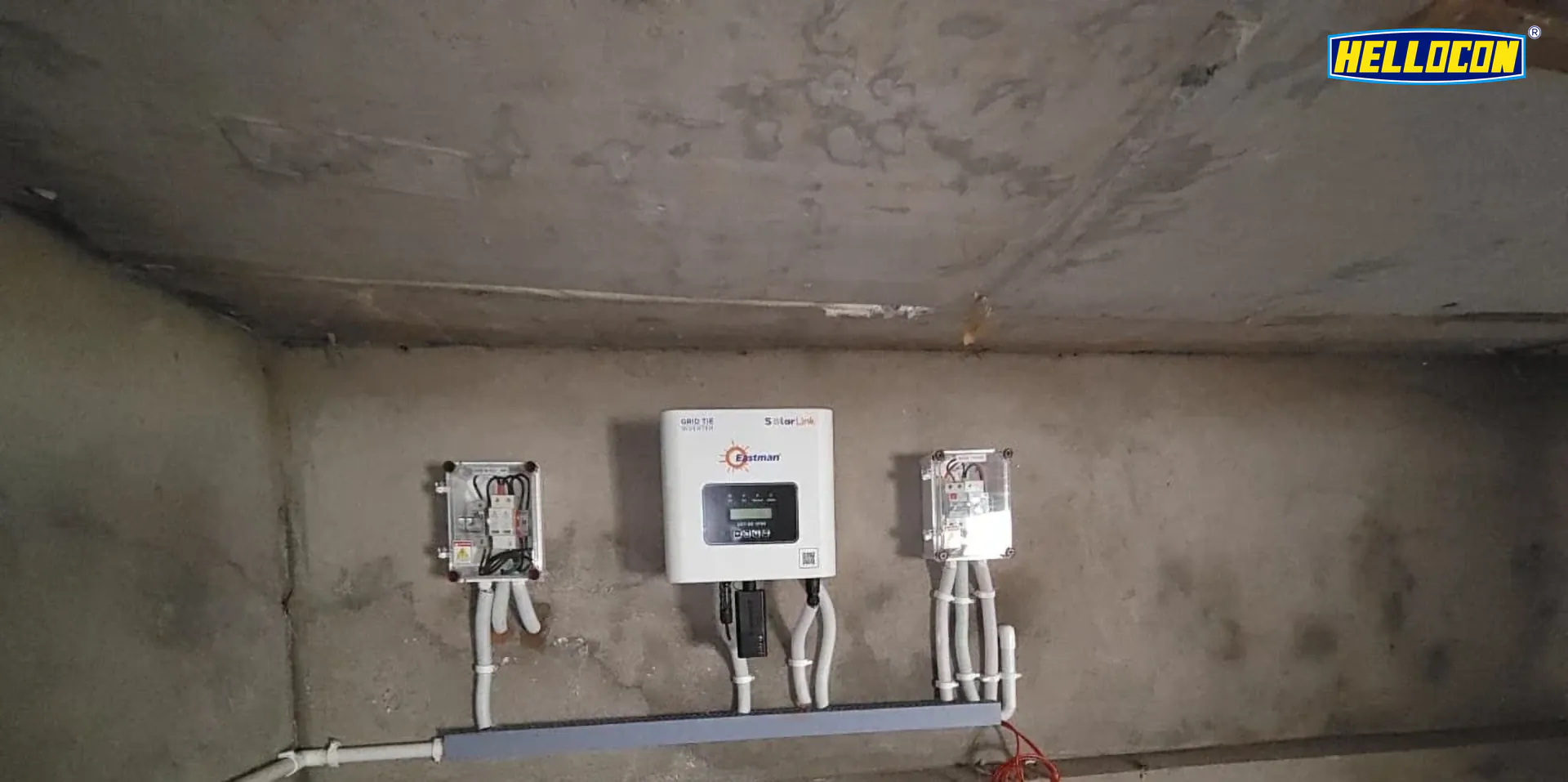
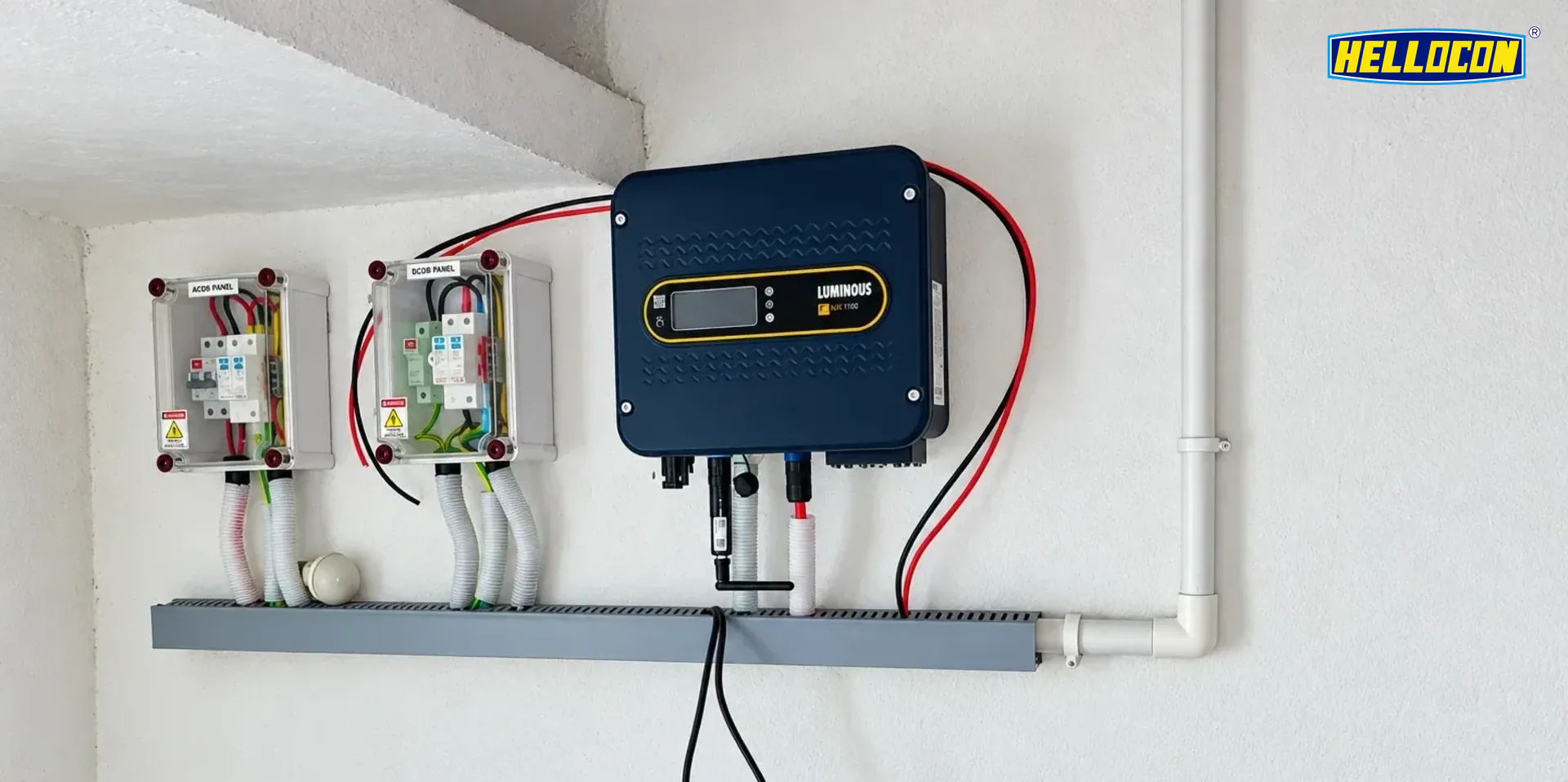
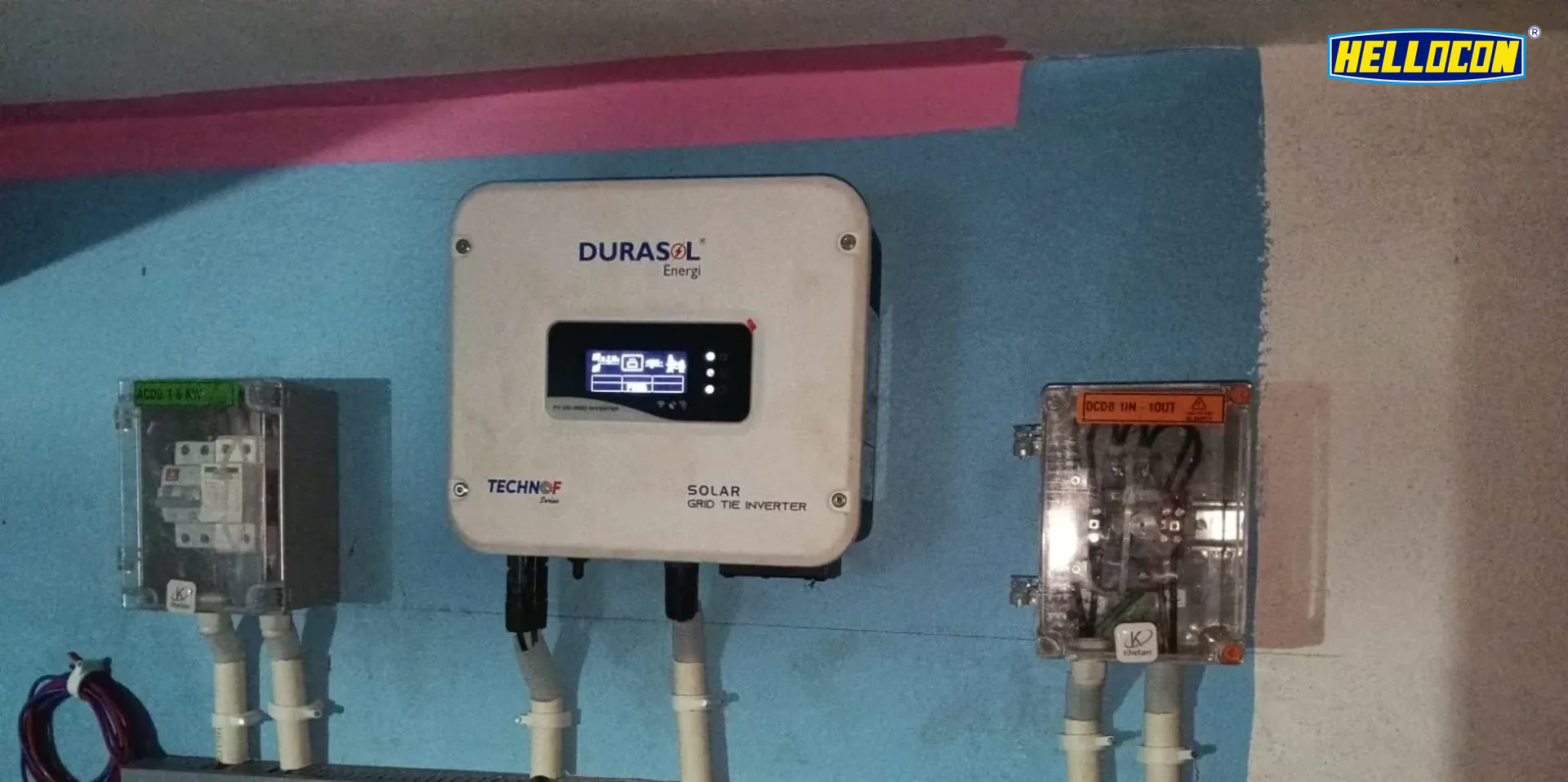
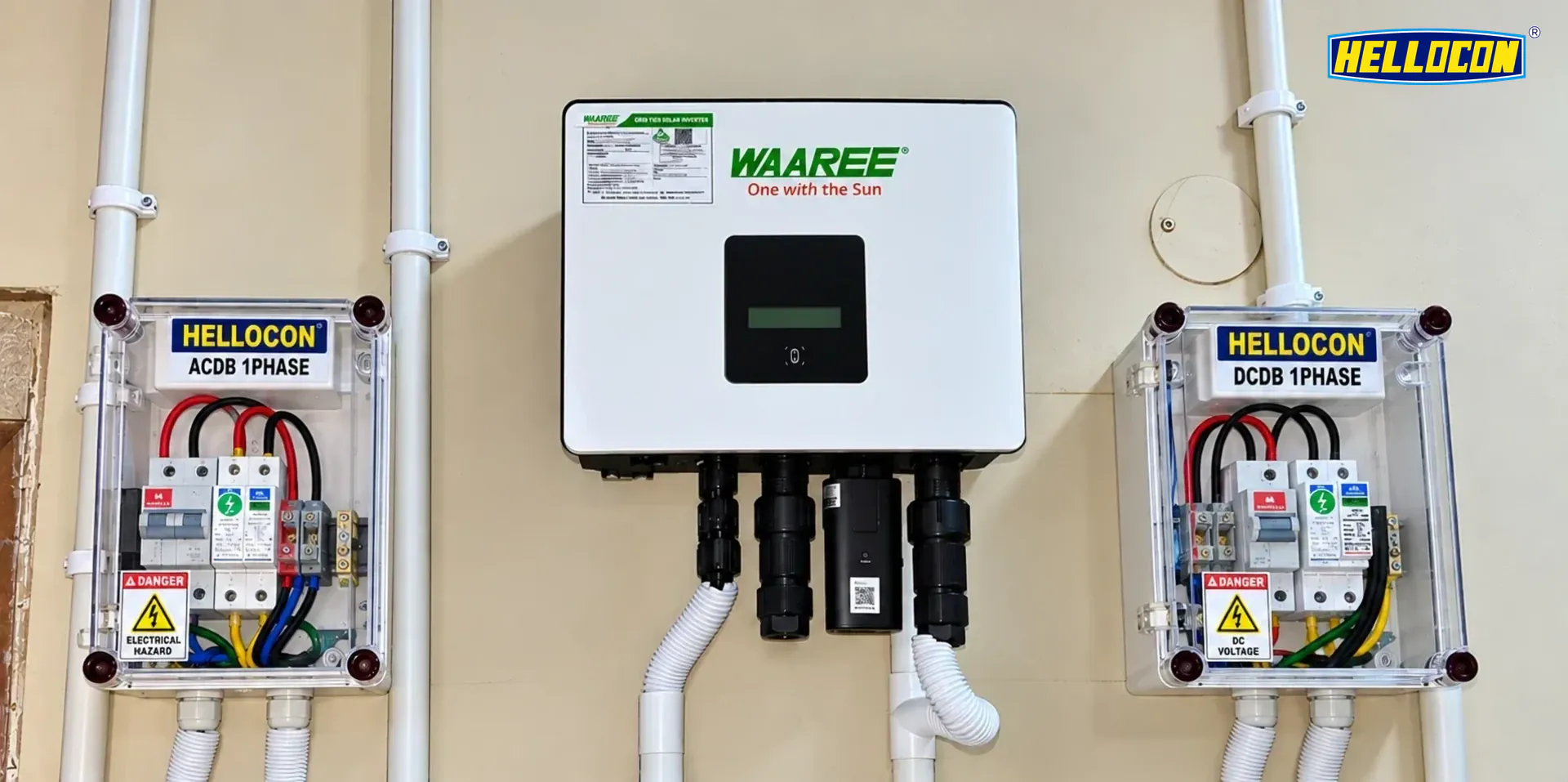
HELLOCON’s project gallery includes 3 kW residential PM Surya Ghar installations in Odisha. A Jajpur project profile shows a rooftop array, while other profiles show mounting and inverter details. The capacity and district are HELLOCON-supplied descriptions; the photographs show equipment arrangements, not independently verified contract role, commissioning or measured output. They do not guarantee the same output at another home. During your survey, ask why the proposed arrangement differs from the example, which constraints were considered and what equipment is included. Measured performance should come from actual monitoring records, with a period and operating context. Rated capacity, a photograph and a savings estimate are different kinds of information.
A practical selection checklist
Before committing, confirm the electricity bill and DISCOM, review the roof, list essential backup loads, compare configurations and check the written proposal. Establish who handles utility coordination, equipment documents, inspection, commissioning and maintenance. Discuss installation access and any repairs needed before mounting begins. Confirm warranties separately for modules, inverter, battery, structure and workmanship, including claim procedures and exclusions. Keep a copy of the agreed scope. For a home near Bhubaneswar or another Odisha location, request a rooftop site survey with the details needed for an assessment. The right configuration is the one that meets a documented requirement at your actual site.
Copy or print your project brief
Use this checklist to prepare the next discussion: Site and DISCOM: ____; monthly bills and daytime use: ____; essential outage circuits and operating hours: ____; roof/access constraints: ____; proposed configuration, usable battery limits and responsible installer: ____. Attach only technical project information to a general enquiry. Take the next step. Use this brief for the site discussion. Confirm the final design, applicable approvals and required model documents for your project before ordering.