

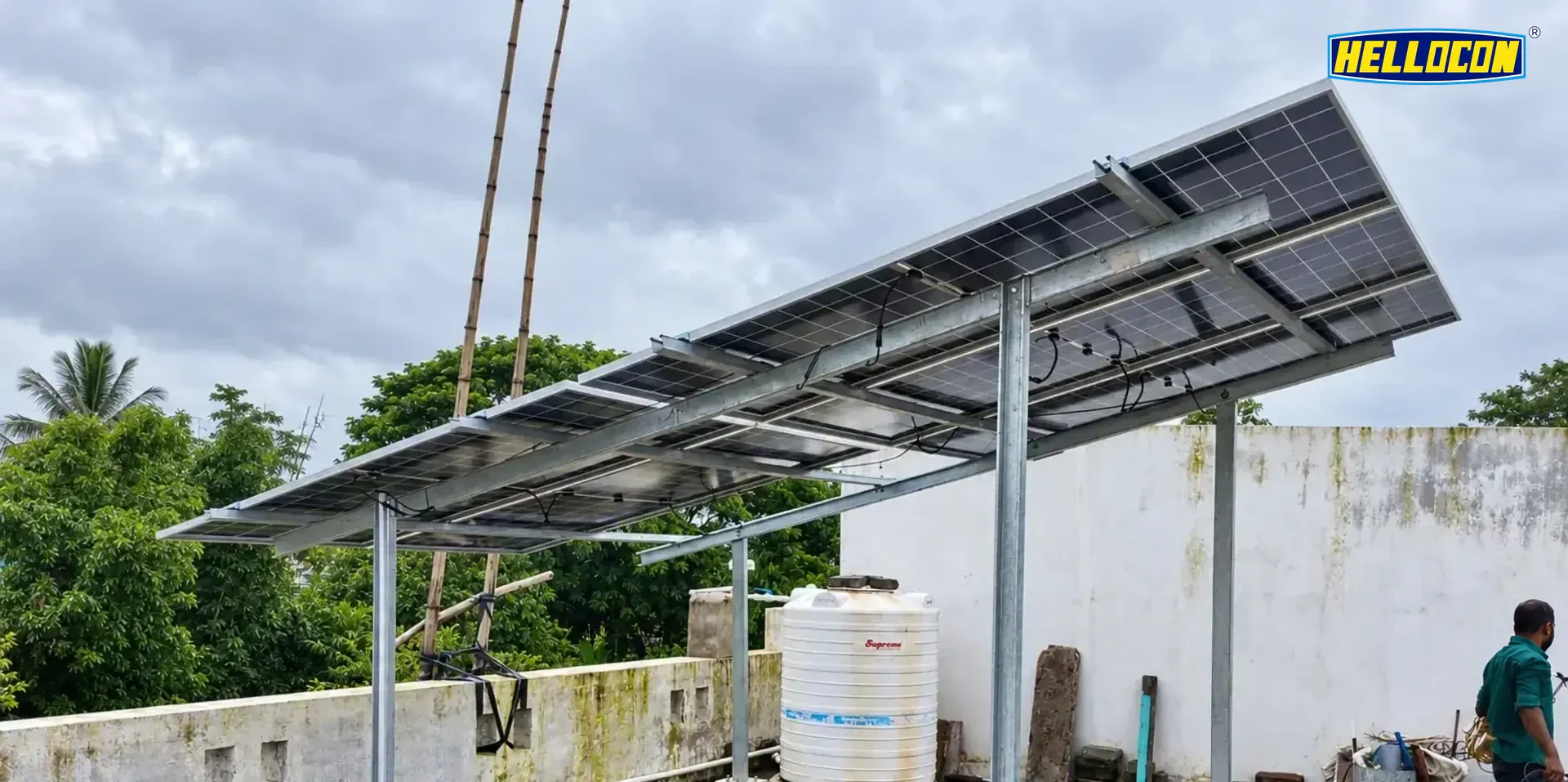
What EPC should mean in your proposal
EPC stands for engineering, procurement and construction. In a solar project these stages connect the site brief to the equipment and the installed system, but the exact contractual scope varies. A proposal should explain what the contractor will deliver and what remains with the customer, utility or another professional. Do not assume that every quotation includes civil work, metering charges, storage, internet monitoring or a long-term maintenance contract. Start with the HELLOCON solar EPC services page and ask for a written scope suited to the premises. Compare the work and responsibilities, not only a headline capacity or price.
Engineering begins with the site and load profile
The design should follow electricity consumption, operating hours, available space, shading and the existing connection. For a business, daytime demand and planned expansion can be important. A home may instead need discussion of seasonal consumption and essential backup circuits. The roof condition, mounting arrangement and electrical integration must be assessed together. Explain known restrictions before the layout is agreed: occupied roof areas, access requirements, shutdown windows or future building work. The commercial and industrial solar guide and residential guide describe different applications. Engineering should produce a proposal for the actual site rather than copy another installation’s equipment list.
Structural and electrical responsibilities need to be explicit
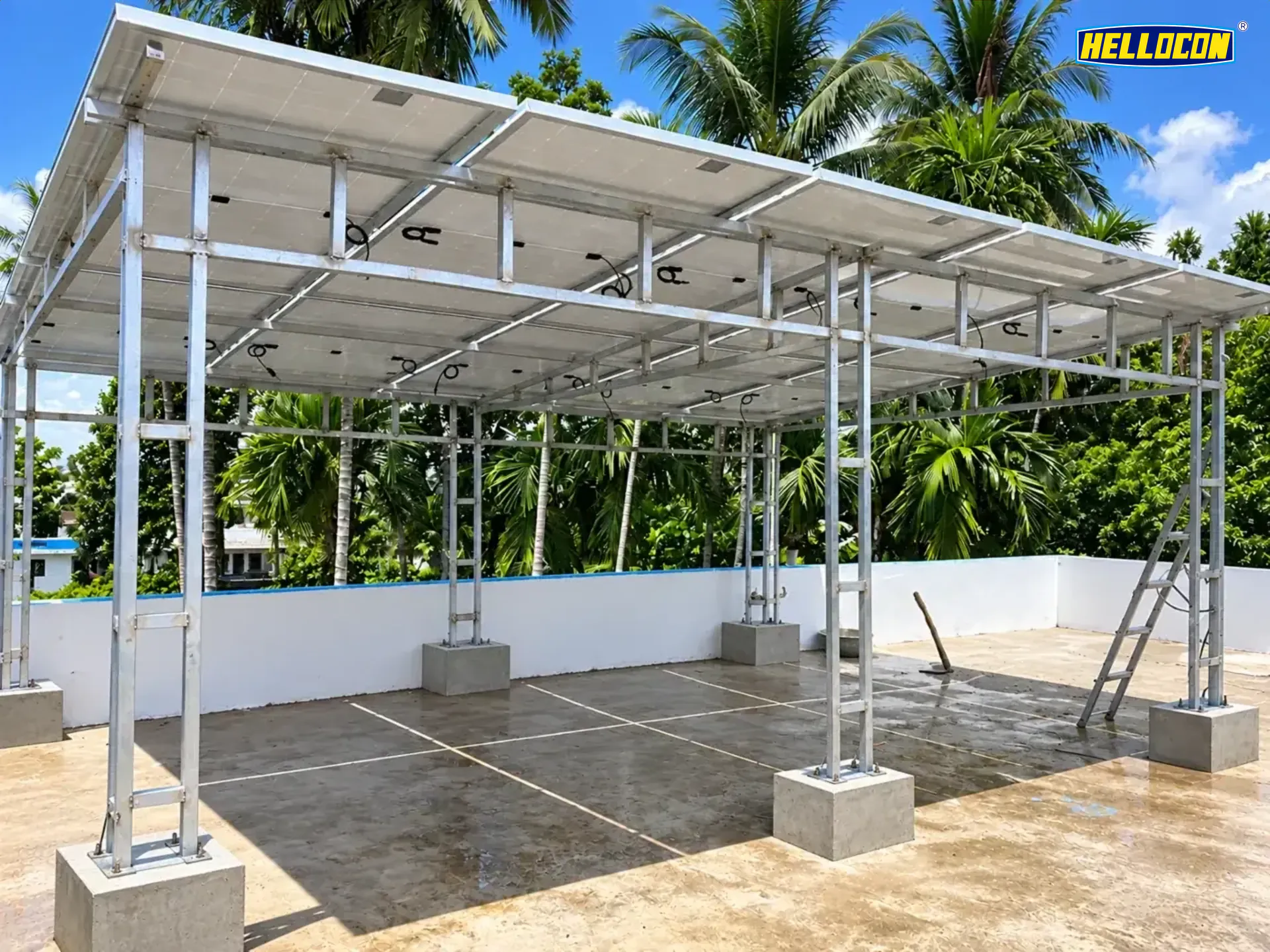
Identify who assesses the supporting structure, designs mounting and foundations, reviews electrical integration and supplies any necessary documentation. Odisha sites should discuss wind exposure, roof condition, drainage and material suitability in the design brief. Electrical protection, isolation, earthing and equipment access should be defined by qualified professionals. Customer responsibilities may include repairing the roof, providing access or arranging work outside the EPC scope; put these exclusions in writing. Avoid treating a generic claim of safety or weather resistance as a substitute for project-specific design. The roof preparation checklist helps homeowners gather useful information before an engineer visits.
Procurement should follow an agreed equipment schedule
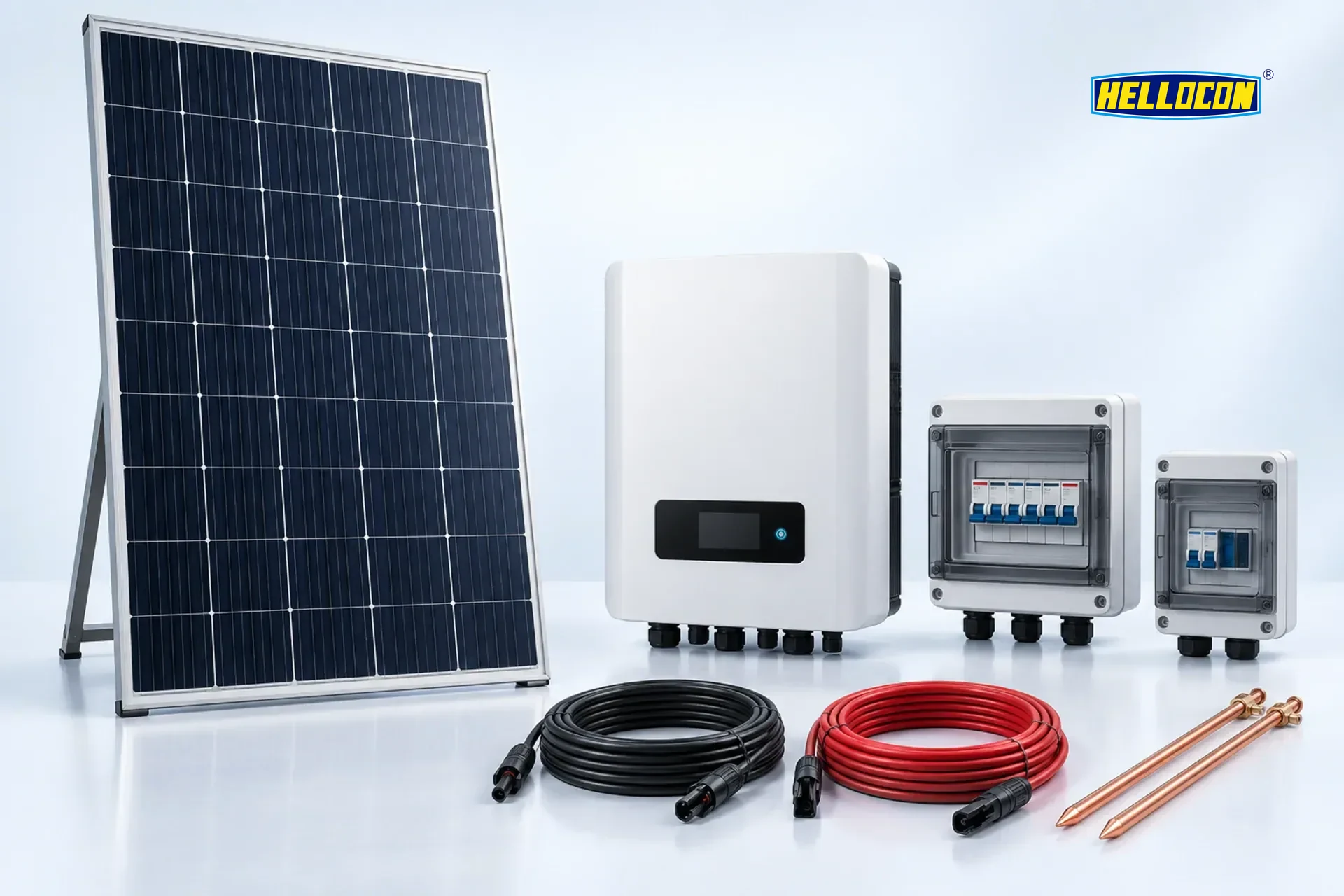
Ask for proposed module and inverter models, mounting materials, electrical protection, monitoring equipment and storage where included. Datasheets should correspond to the actual equipment supplied. Confirm relevant certification scope and named holders, rather than assuming a certificate for another product or company applies. Warranties may differ between modules, inverter, battery, structure and workmanship; record the terms, exclusions and claim procedure. If a product is substituted, ask how its suitability and warranty compare with the approved item. The equipment schedule makes quotations easier to compare and supports a useful handover record after installation. It should not be replaced by a list of broad marketing categories.
Utility and scheme coordination are separate deliverables
The relevant Odisha DISCOM manages connection, metering, inspection and commissioning requirements under the applicable rules. Confirm who prepares documents, handles applications and coordinates visits, and which charges or approvals are outside the contractor’s control. Residential PM Surya Ghar applications also have consumer eligibility and registered-vendor requirements. Read the scheme guide and official portal before agreeing a subsidy-linked scope. A contractor can support documentation and coordination but cannot guarantee an authority’s approval or payment date. Commercial and industrial premises should be assessed under their own connection and regulatory requirements rather than a household subsidy assumption.
Construction needs a practical installation plan
Discuss safe access, equipment delivery, storage, roof work, electrical shutdowns and coordination with the building’s occupants. Agree which work happens in which area and how existing services are protected. An operating factory, residential home and public facility have different constraints; installation planning should reflect them. Workmanship and access for future inspection matter alongside the equipment specification. Clarify who makes good any agreed civil or roof work and how changes to the design are recorded. Do not perform electrical or structural modifications yourself to speed up installation. A clear plan helps the project team coordinate trades and gives the customer a realistic understanding of the scope.
Testing and commissioning establish the handover
Commissioning should include the checks and records required for the installation, equipment and utility process. The customer should receive the agreed equipment documents, applicable inspection or commissioning records, warranty information and operating guidance. Ask how monitoring is accessed, what the displayed readings mean, and whom to contact if the system reports a fault. Rated capacity and a commissioning photograph do not prove annual energy output. Performance statements should identify a measured period and the conditions that apply. If an initial generation estimate is supplied, keep it separate from actual monitoring records. Clear handover information supports operation after the installation team leaves the site.
Use local project evidence appropriately
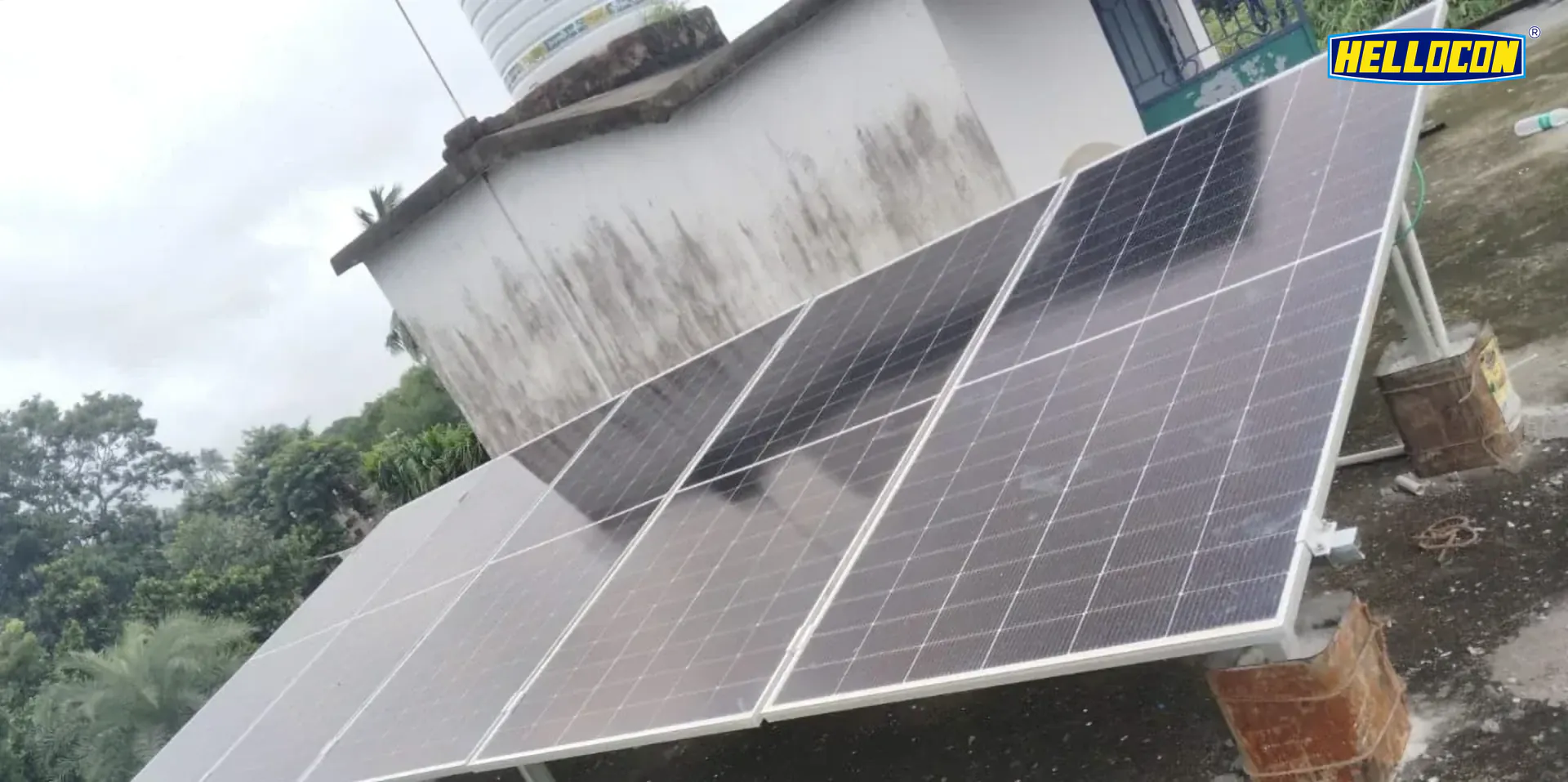
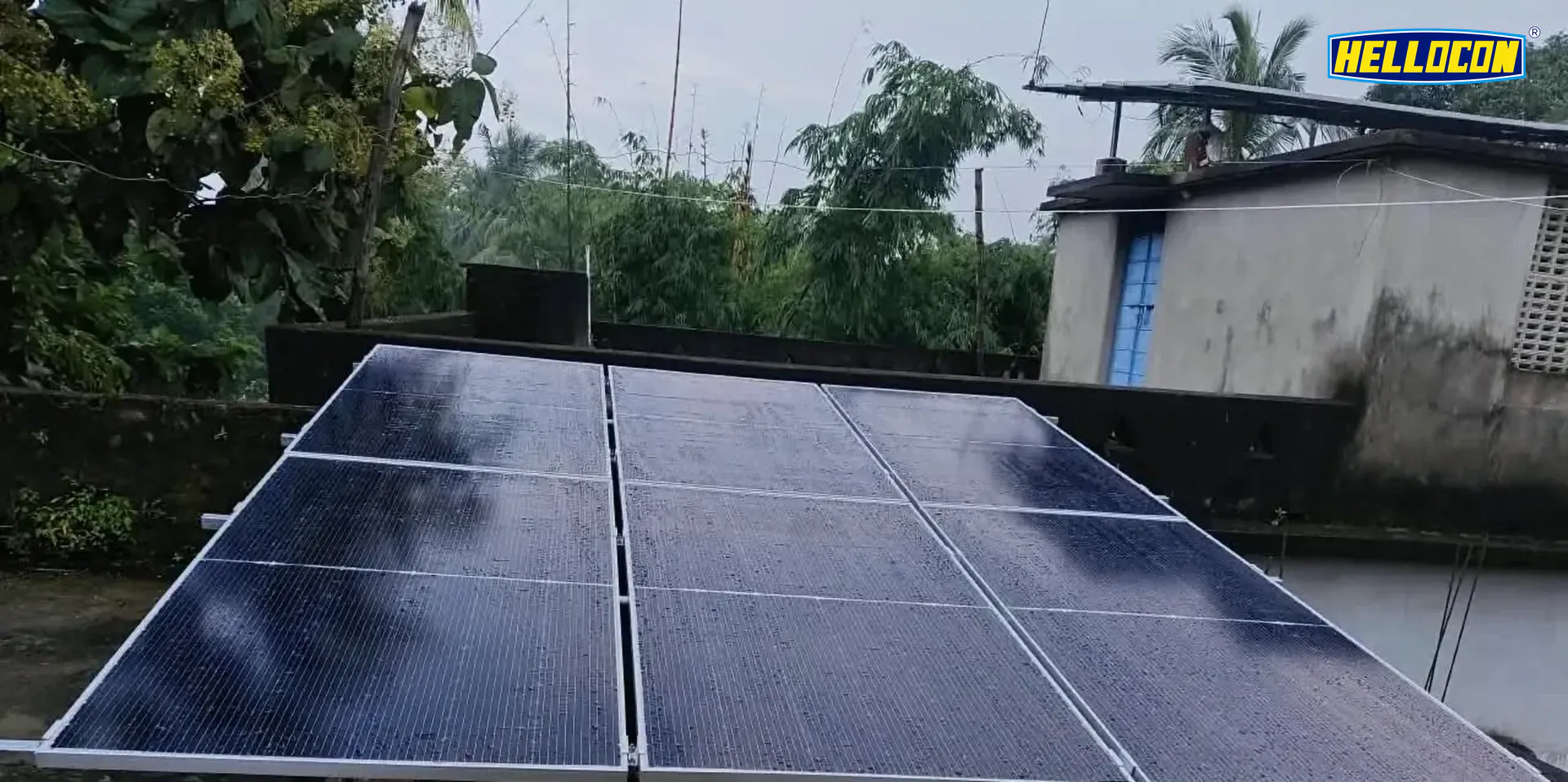
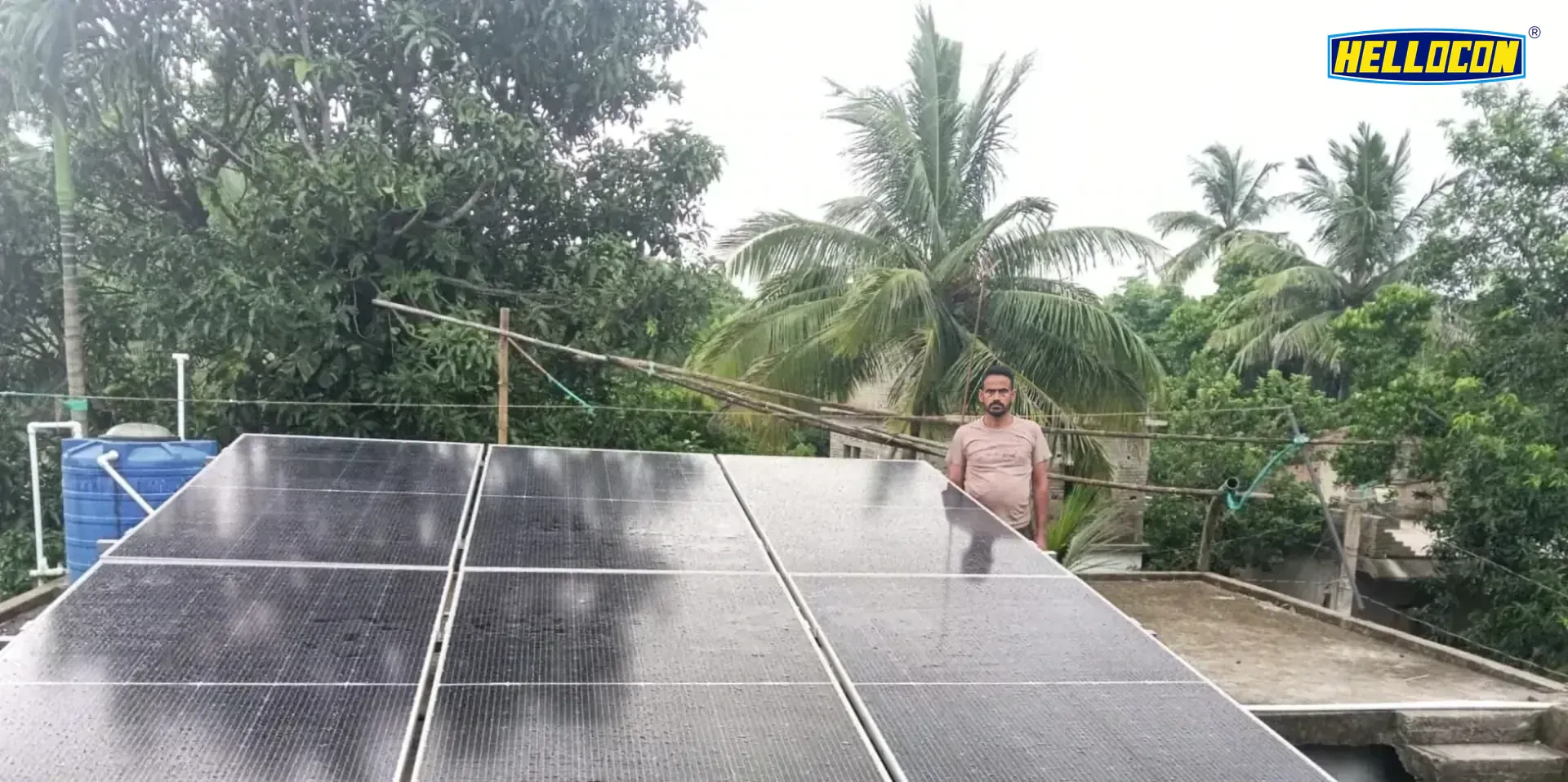
HELLOCON’s project gallery features selected 3 kW residential PM Surya Ghar profiles in Odisha. A Jajpur project shows a rooftop array, while a Cuttack project profile explains its elevated structure and electrical integration. These profiles help explain the kinds of equipment and site arrangements involved. They are not a promise of identical generation or savings for another customer. Ask the project team which evidence is relevant to your roof, connection and consumption. For a commercial or public project, request references with the corresponding application and scope rather than assuming residential examples establish every capability.
Maintenance and service should be agreed before completion
Define who handles routine inspection, cleaning arrangements, monitoring review, fault reporting and warranty coordination. Equipment manufacturers and the EPC contractor can have different responsibilities. A maintenance contract should specify its duration, visit schedule, exclusions and response arrangements; do not infer these from the word “support”. Access requirements and owner duties should be clear, particularly where roofs or equipment areas are difficult to reach. Read the solar operation and maintenance page and retain the service contact information with the handover records. Continued operation benefits from an agreed process for noticing, reporting and addressing problems rather than relying on informal assumptions.
Questions to ask before signing off the scope
Check the site assessment, proposed capacity, layout, equipment schedule, mounting and electrical responsibilities. Identify utility coordination, scheme documentation, installation planning, inspections, commissioning records and monitoring handover. Compare warranty and maintenance terms, exclusions and any work needed from another contractor. Ask how substitutions and scope changes will be agreed. Keep copies of the proposal, technical schedules and final records so later service requests can be understood. For an Odisha home, institution or business, contact HELLOCON with your project brief to discuss the site and intended duty. The useful EPC outcome is a documented, suitable system with clear responsibilities throughout its lifecycle.
Copy or print your project brief
Use this checklist to prepare the next discussion: Location and load/bills: ____; design drawings and equipment schedule: ____; included work, exclusions and utility owner: ____; inspection and acceptance documents: ____; warranty and O&M responsibilities: ____. Attach only technical project information to a general enquiry. Take the next step. Use this brief for the site discussion. Confirm the final design, applicable approvals and required model documents for your project before ordering.