
Prepare for an assessment before choosing capacity
A rooftop assessment helps connect household electricity demand to the space and structure available for solar. Before deciding on a system size, collect recent bills and identify the DISCOM and consumer connection. Make a simple list of major appliances and their normal operating hours. Describe any regular outages and whether backup is part of the requirement. A roof may physically accommodate more panels than the household needs, while a high electricity bill does not establish that the structure is suitable. Use the residential solar guide to prepare questions, and let the capacity recommendation follow the site and consumption review.
Identify the usable roof, not just its total area
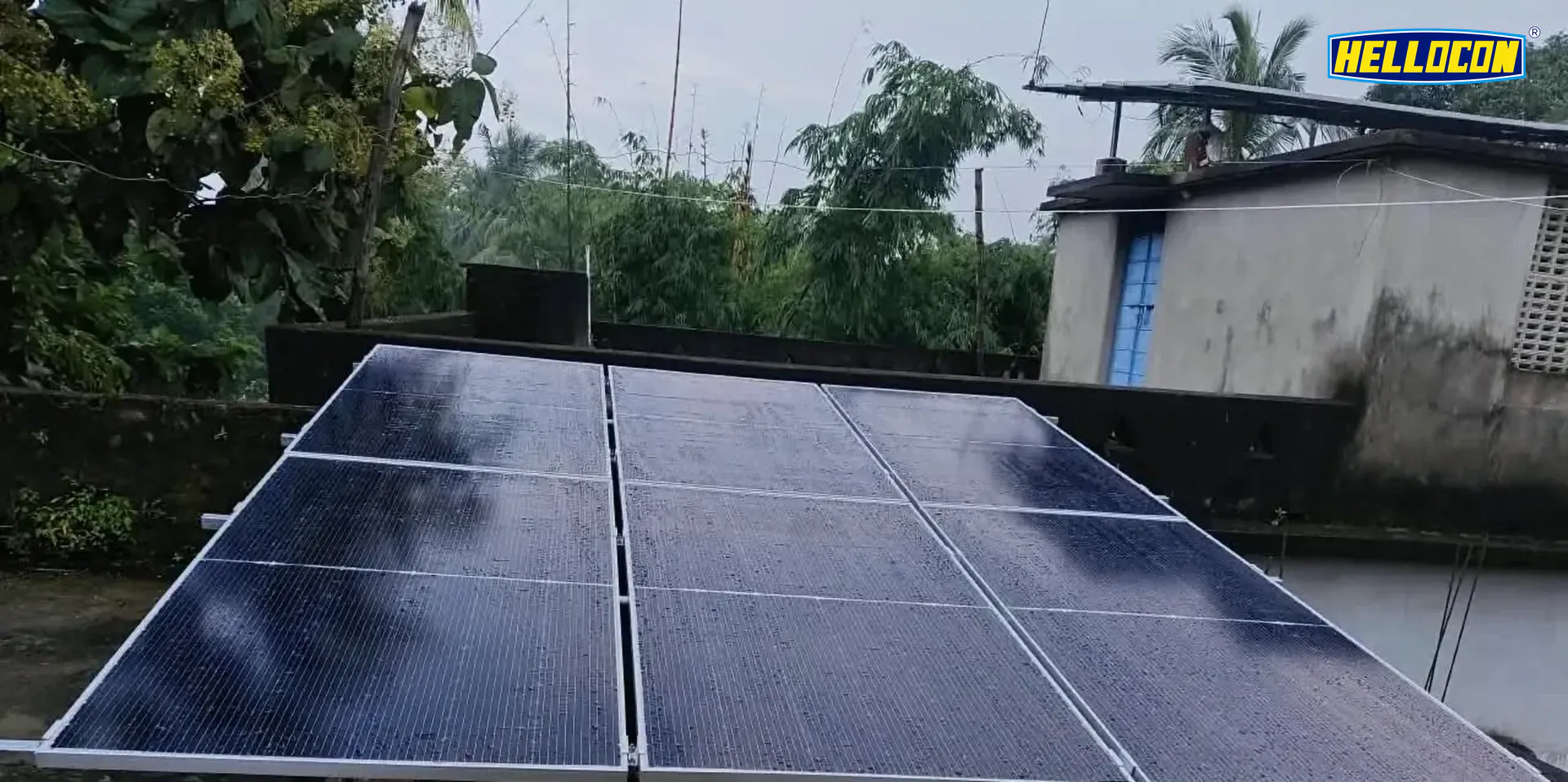
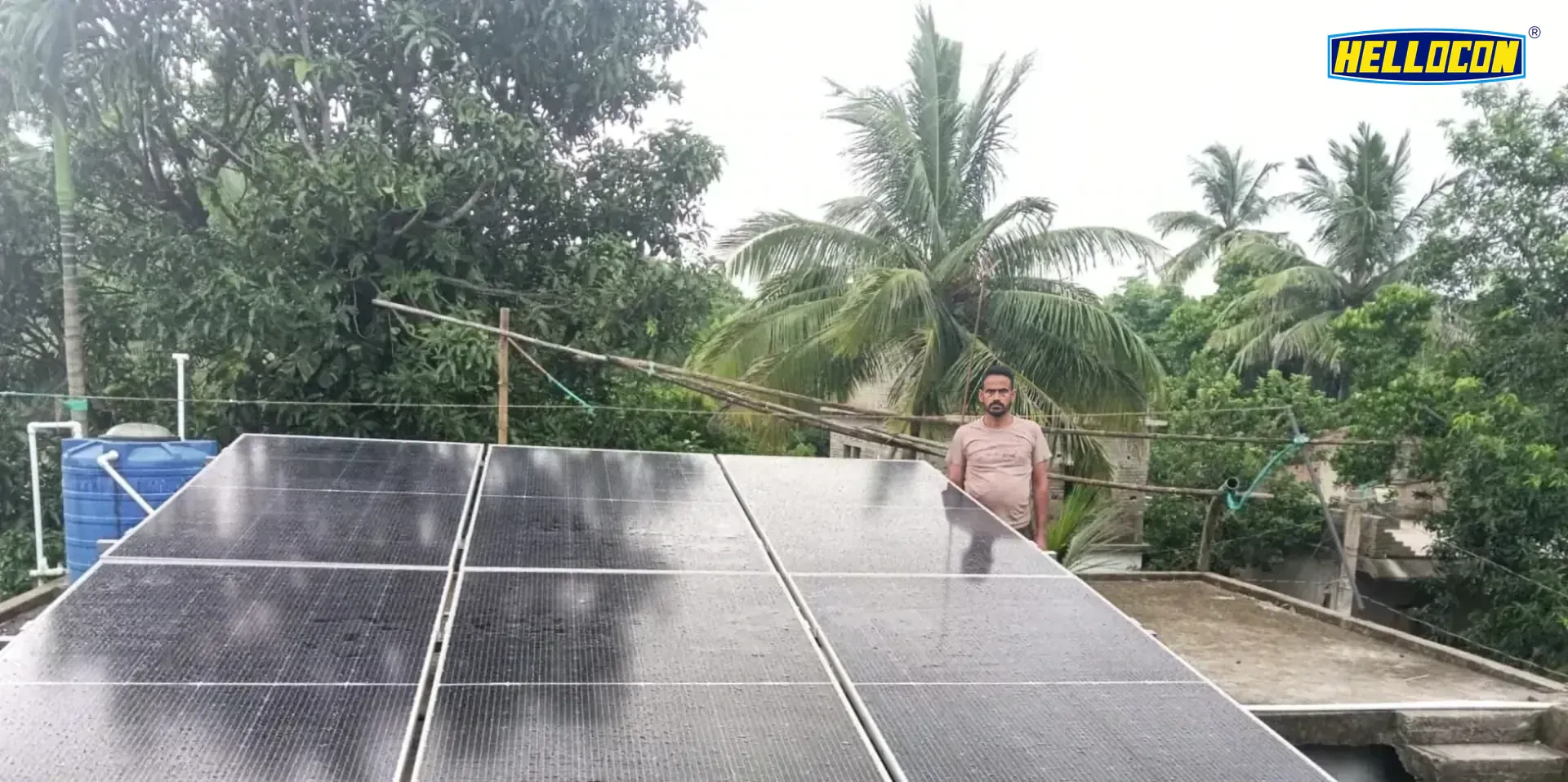
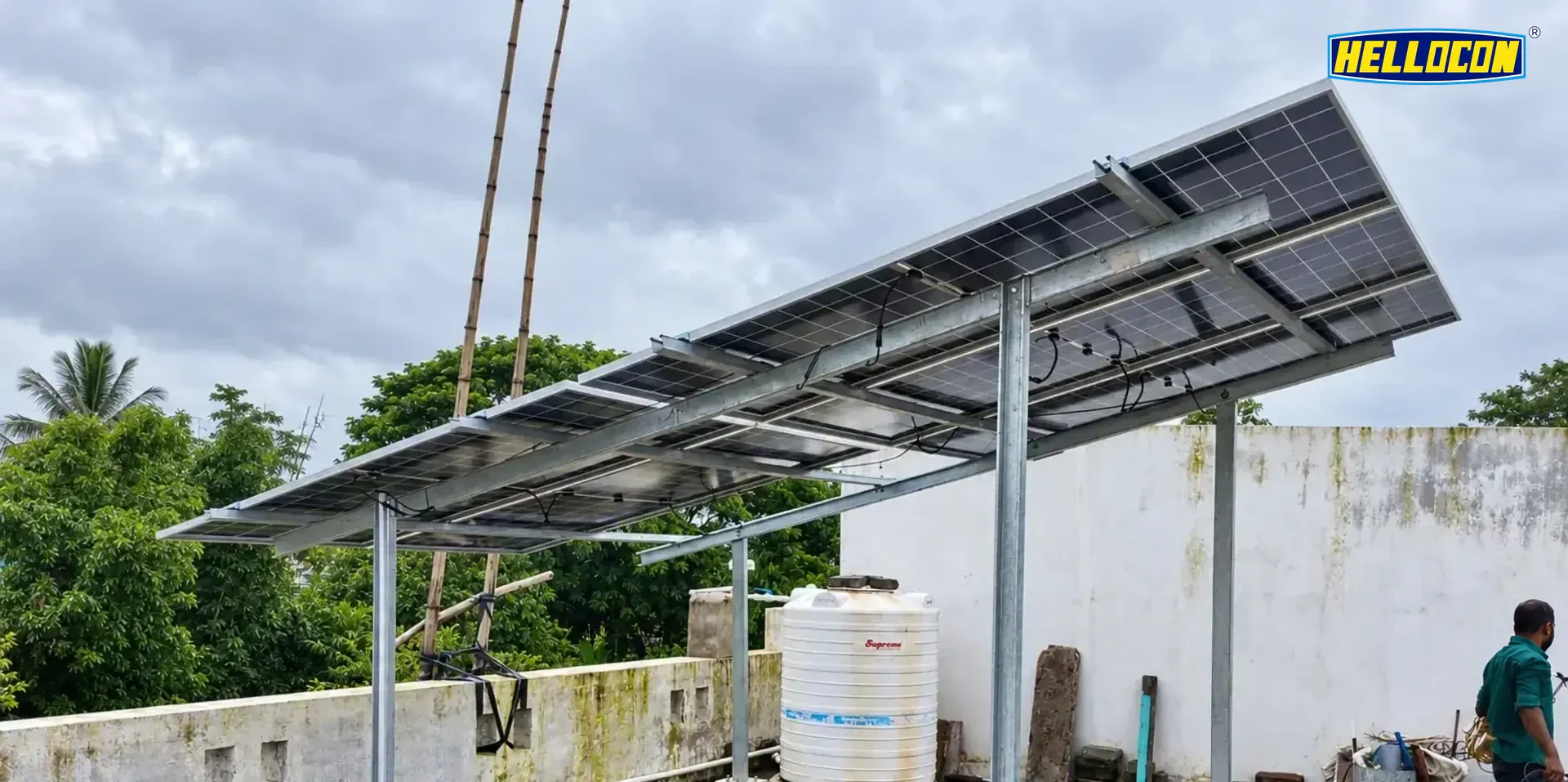
Water tanks, stair rooms, parapets, adjacent buildings and trees affect usable space. A layout also needs walkways, service access and room around equipment and roof features. Photograph the roof from safe accessible positions, showing obstacles and nearby shading sources. Do not climb onto fragile sheets or unprotected edges to obtain photographs. Tell the survey team if an extension, additional floor or roof repair is planned. Existing roof uses should remain part of the discussion: drying space, tank servicing and family access may affect the layout. The survey should identify a workable arrangement rather than simply fill every available surface with modules.
Have the roof condition and structure assessed
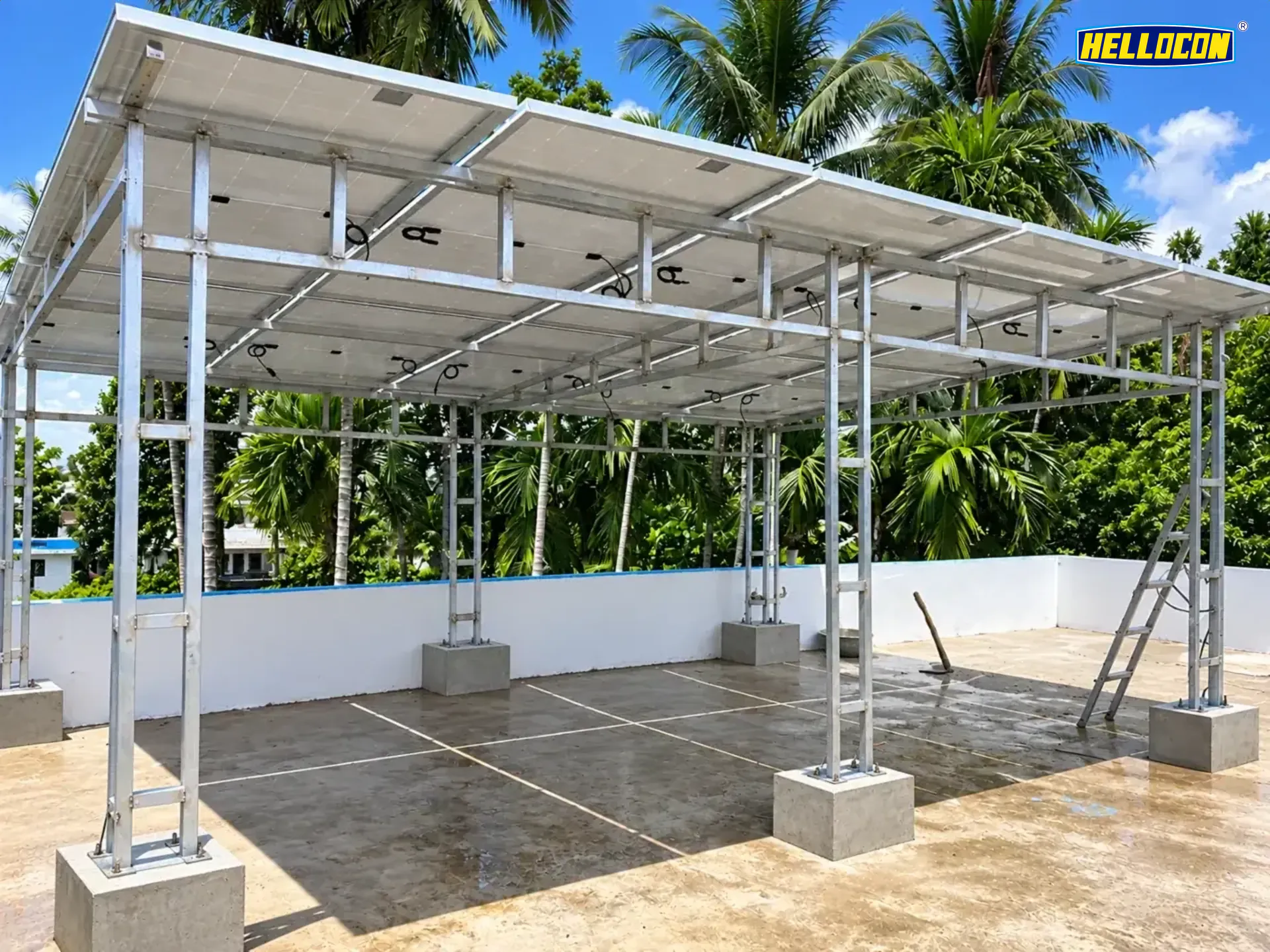
Check for visible water ingress, damaged roofing, corrosion, loose sheets or unfinished work and discuss these with a qualified professional. The mounting design must suit the roof material and supporting structure. Concrete roofs, sheet roofs and elevated structures have different fixing and load considerations; a visual photograph is not a structural approval. Clarify who will assess the roof and what documentation is required before installation. If repairs are necessary, complete them through the appropriate contractor before solar work begins. Read the solar EPC scope guide so that structural assessment, mounting and any civil work are clearly assigned in the proposal.
Discuss wind exposure, drainage and coastal conditions
Odisha’s coastal setting makes location-specific weather assessment important. The designer should consider the building height, exposure, roof condition, proposed mounting and foundation or fixing arrangement. Do not treat the phrase “cyclone resistant” as proof of a suitable design; ask for the design basis and responsibilities that apply to your building. Roof drains and water flow should remain accessible, and cable routing should not obstruct routine upkeep. Where corrosion or water exposure is a concern, discuss material selection and maintenance. The engineering team should explain the selected arrangement rather than rely on a photograph of a structure installed at another property.
Concrete, metal-sheet and tiled roofs need different surveys
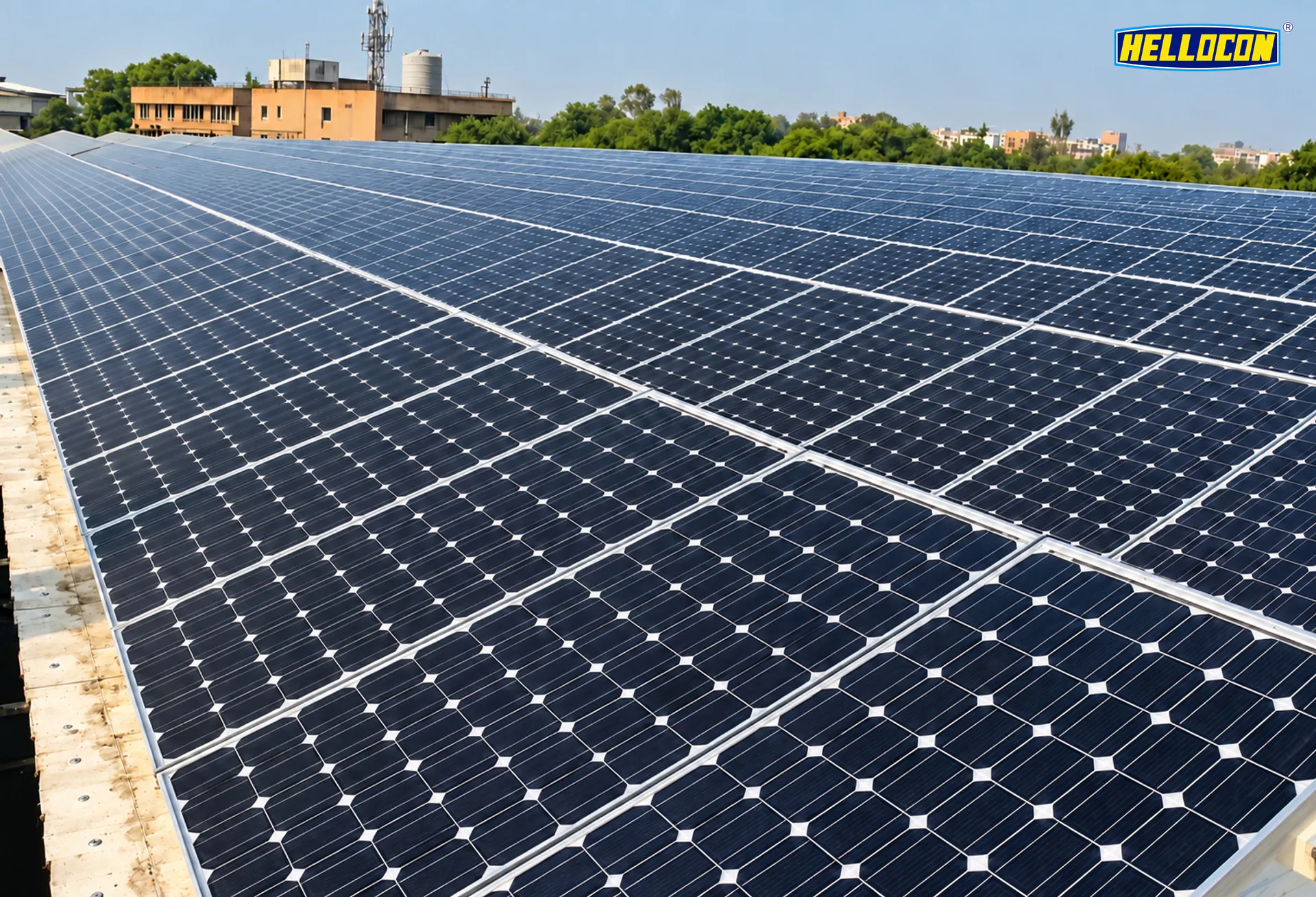
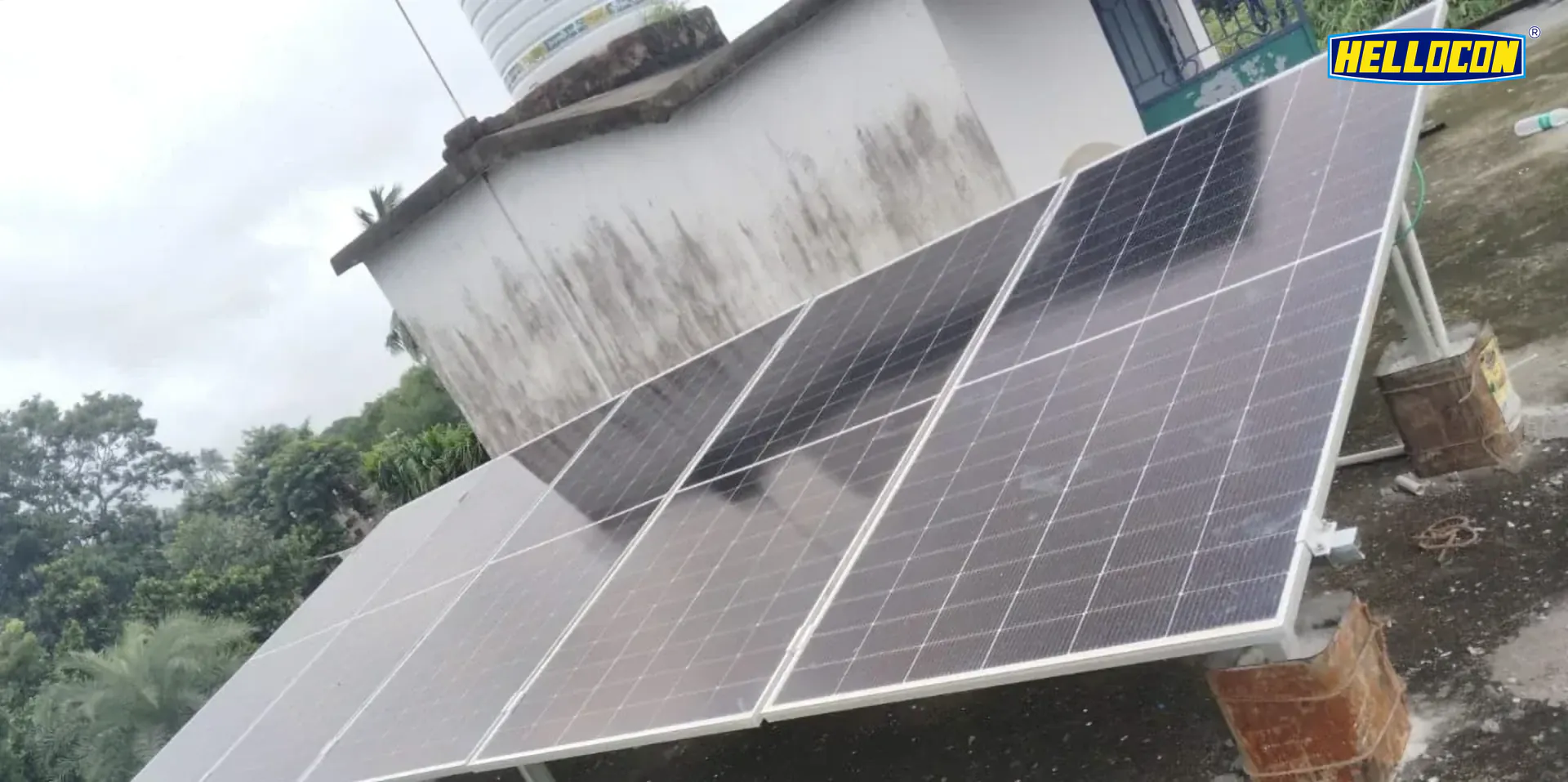
A concrete terrace, metal-sheet industrial roof and tiled roof need different support and fixing assessments. Tell the surveyor about leaks, corrosion, fragile sheets, repairs and access restrictions. Existing rooftop photographs do not establish the load-bearing capacity of another building. Keep the assessment and proposed fixing arrangement with the quotation; any repair or reinforcement should be agreed before installation.
Prepare for Odisha’s monsoon
Keep drains, rainwater outlets and access to tanks clear in the proposed layout. Discuss roof penetrations and waterproofing responsibilities before fixing structures. Ask how equipment locations, cable routes and maintenance access will be managed during heavy rain. Installation, electrical work and storm inspections belong with qualified personnel; homeowners should report faults or leaks through the service contact rather than access wet or damaged rooftop equipment.
Record shading over the relevant roof areas
A roof that looks sunny at midday may be shaded at another time. Neighbouring structures, tanks, trees and parapets should be included in the survey. Tell the team about planned construction or trees that may change the conditions. The assessment should consider how shading affects the array arrangement and equipment selection. Avoid treating a short observation as a measured annual generation forecast. Ask which assumptions appear in any output estimate and how the proposed layout responds to the constraints. The on-grid, off-grid and hybrid comparison explains how site conditions interact with configuration and household operating needs.
Plan safe access and maintenance routes
Solar equipment needs access during installation, inspection, cleaning and service. Discuss the route from the entrance to the roof, available stair access, roof-edge protection and handling space for equipment. Keep access to water tanks, drains, existing utilities and any future roof repairs in the layout. The homeowner should not carry out electrical repairs or improvised roof work to prepare for the installer. Agree who supplies any necessary access arrangements, and what is included in the scope. Maintenance planning belongs in the initial design: a tightly packed array that prevents safe inspection or roof upkeep can create avoidable problems later.
Identify inverter and electrical integration needs
The assessment should review the existing connection, electrical distribution, earthing and suitable equipment locations. An inverter needs placement and access consistent with its manufacturer’s instructions and the project conditions. Cable routes, protection and metering are professional design decisions, not additions to improvise after the panels arrive. Tell the team about planned load changes, such as additional cooling or machinery, and explain which circuits need backup if storage is requested. Compare the proposed arrangement with the Jajpur installation profile, which shows the inverter and protection equipment. The example is a useful reference, while your own electrical integration requires a site assessment.
Separate the survey from the scheme application
For a PM Surya Ghar household, the site survey and the application process support different decisions. Engineering checks the roof and electrical suitability; the official process determines eligibility, approved vendor selection, inspection and financial assistance. Read the Odisha subsidy and application guide and verify current instructions on the national portal. Have connection information ready, but do not submit identity documents or bank details through a general enquiry form. Confirm which documents belong at each official stage. A site visit, a quotation or an existing nearby installation does not guarantee that an application will be approved.
Agree the installation scope and handover documents
Before accepting the proposal, ask for the equipment schedule, layout, mounting scope, electrical work, utility coordination, warranties and exclusions. Clarify treatment of roof penetrations or waterproofing, any civil work and responsibility for repairs. Establish what inspection and commissioning records will be handed over and how monitoring is explained. Module, inverter, structure and workmanship warranty arrangements should be documented separately where applicable. Also ask how service visits are requested and what maintenance duties remain with the owner. The solar operation and maintenance guide provides questions for this discussion. A written scope gives both homeowner and contractor a clearer basis for the work.
Bring a concise survey brief
A useful brief contains the property location, roof type, safe access details, electricity bills, DISCOM, known shading, planned roof changes and backup expectations. Include photographs you can take safely and note anything the engineer should inspect in person. If you want a system comparable to an existing installation, share the relevant HELLOCON residential project profile, but let the design follow your own site. Arrange a visit during office hours and confirm access with the household. Request a rooftop site survey with the essentials first; detailed technical records can follow through the agreed project process.
Copy or print your project brief
Use this checklist to prepare the next discussion: Address and connection: ____; roof type, leaks or planned repairs: ____; shading and obstacles: ____; safe access and service routes: ____; structural-assessment and waterproofing responsibilities: ____. Attach only technical project information to a general enquiry. Take the next step. Use this brief for the site discussion. Confirm the final design, applicable approvals and required model documents for your project before ordering.